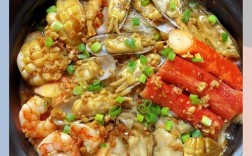
Japanese-style fried seafood tofu, known as "Tenshinhan" in Japanese, is a beloved dish that combines the delicate flavors of tofu with the umami-rich taste of seafood, all wrapped in a light, crispy batter. This dish, often served in Japanese restaurants and home kitchens, is a testament to the Japanese culinary philosophy of balance, simplicity, and freshness. Below, we explore the origins, ingredients, preparation methods, variations, and cultural significance of this delightful dish, along with tips for perfecting it at home.
Origins and Cultural Significance
Tenshinhan has roots in Chinese cuisine but has been adapted to suit Japanese tastes, reflecting the country’s history of incorporating foreign dishes and refining them. The name "Tenshinhan" is derived from "Tenshin," a reference to the Chinese city of Tianjin, where a similar dish is believed to have originated. Over time, the Japanese version evolved to emphasize lighter flavors, fresher seafood, and a more delicate batter, aligning with the Japanese preference for subtlety and presentation.
In Japan, Tenshinhan is often enjoyed as a main course or a special occasion dish. It is particularly popular in regions with access to fresh seafood, such as coastal areas. The dish’s appeal lies in its ability to highlight the natural flavors of its ingredients while offering a satisfying contrast in textures—creamy tofu, tender seafood, and crispy batter.
Key Ingredients
The beauty of Tenshinhan lies in its simplicity, with each ingredient playing a crucial role in creating a harmonious dish. Below is a breakdown of the essential components:
| Ingredient | Role in the Dish | Common Variations |
|---|---|---|
| Tofu | Acts as the base, providing a soft, creamy texture that absorbs flavors. | Silken tofu for extra smoothness; firm tofu for better structure when fried. |
| Seafood | Adds umami and protein; commonly shrimp, squid, or scallops. | Crab sticks, surimi, or a mix of seafood for variety. |
| Batter | Creates a light, crispy coating; made from flour, egg, and water or ice water. | Tempura batter for extra crispiness; adding panko breadcrumbs for crunch. |
| Seasonings | Enhances flavor; soy sauce, dashi, mirin, and salt are common. | Adding ginger or garlic for depth; using sake to deglaze the pan. |
| Vegetables | Adds color and freshness; onions, carrots, and bell peppers are typical. | Snow peas, mushrooms, or corn for sweetness and texture. |
| Garnish | Adds visual appeal and aroma; shredded seaweed, sesame seeds, or microgreens. | Edible flowers or chili oil for a spicy kick. |
Preparation Method
Preparing Tenshinhan involves several steps, each designed to ensure the dish is flavorful and well-balanced. Here’s a detailed guide:
-
Prepare the Tofu:
- Use firm or silken tofu, depending on the desired texture. For a smoother result, blend the tofu until creamy. For a heartier dish, cube the tofu and lightly press it to remove excess moisture.
- If using cubed tofu, dust it lightly with cornstarch to help the batter adhere better.
-
Prepare the Seafood:
- Clean and devein shrimp, slice squid into rings, or use pre-cooked seafood like crab sticks.
- Marinate the seafood in a mixture of soy sauce, mirin, and dashi for 10-15 minutes to infuse it with flavor.
-
Make the Batter:
- Combine flour, egg, and ice-cold water (or soda water for extra crispiness) in a bowl. The batter should be thin but not runny.
- For added crunch, mix in panko breadcrumbs or tempura flour.
-
Combine Ingredients:
Gently fold the tofu and seafood into the batter, ensuring even coating without overmixing, which can make the batter tough.
-
Fry the Dish:
- Heat vegetable oil to 350°F (175°C) in a deep pan or fryer.
- Drop spoonfuls of the batter into the oil and fry for 2-3 minutes until golden brown and crispy.
- Use a slotted spoon to remove the fried portions and drain on paper towels.
-
Prepare the Sauce:
- In a separate pan, sauté onions and carrots until soft. Add dashi, soy sauce, and mirin, and simmer for a few minutes.
- Return the fried tofu and seafood to the pan, tossing gently to coat in the sauce.
-
Serve:
Plate the Tenshinhan hot, garnished with shredded seaweed, sesame seeds, or microgreens. Serve with steamed rice or a side of miso soup.
Variations and Adaptations
While the classic Tenshinhan is a masterpiece in itself, there are many ways to adapt it to suit different tastes and dietary needs:
- Vegetarian Version: Replace seafood with mushrooms, tofu puffs, or tempura vegetables. Use vegetable broth instead of dashi.
- Spicy Twist: Add chili oil, sriracha, or gochujang to the sauce for a fiery kick.
- Gluten-Free Option: Use gluten-free flour and tamari instead of soy sauce.
- Healthier Variation: Bake or air-fry the tofu and seafood instead of deep-frying for a lower-calorie alternative.
Tips for Perfect Tenshinhan
- Keep the Batter Cold: Ice-cold water or soda water ensures the batter stays crisp and doesn’t absorb too much oil.
- Don’t Overcrowd the Pan: Fry in batches to maintain the oil temperature and prevent the batter from becoming soggy.
- Balance Flavors: The sauce should complement, not overpower, the delicate flavors of the tofu and seafood. Taste and adjust seasonings as needed.
- Fresh Ingredients: Use the freshest seafood and tofu for the best results.
FAQs
Can I use frozen seafood for Tenshinhan?
Yes, frozen seafood can be used, but it’s important to thaw it completely and pat it dry before marinating and frying. Frozen seafood may release more water, so ensure it’s well-drained to prevent the batter from becoming soggy. Additionally, pre-cooked frozen seafood like crab sticks can be added directly to the batter without prior cooking.
How do I store leftover Tenshinhan?
Leftover Tenshinhan can be stored in an airtight container in the refrigerator for up to 2 days. To reheat, place it in a preheated oven at 350°F (175°C) for 5-7 minutes to restore crispiness. Avoid microwaving, as it can make the batter soft and soggy. For best results, enjoy the dish fresh on the day it’s made.
In conclusion, Japanese-style fried seafood tofu (Tenshinhan) is a versatile and delicious dish that showcases the elegance of Japanese cuisine. With its perfect balance of textures and flavors, it’s a crowd-pleaser that can be adapted to suit various preferences. Whether you’re cooking for a special occasion or a weeknight dinner, Tenshinhan is sure to impress with its simplicity and depth of flavor.